
Category: Finance

Best Forex Signals to Help You Trade With More Confidence

I’ve worked with traders, reviewed platforms, and studied enough forex signal providers to know which ones deserve attention and which ones to skip. My advice is shaped by years of observing what actually supports smart trading, not just flashy marketing. I look at how providers report their performance, the quality of their signals, and how they assist users in understanding the trades they’re taking. SureShotFX consistently met those standards.

I didn’t select SureShotFX lightly. I compared them to other signal services, reviewed third-party performance metrics, and paid close attention to how they structure their signal delivery and trader support. I also reviewed lists like forex signals to gauge how they rank among others in 2025. What stood out most was their transparency, signal accuracy, and how well they support both beginners and experienced traders.

What you’ll get in this article is a breakdown of what makes SureShotFX a strong option and why you should consider them if you’re searching for reliable signal services.

Accurate Signals That Don’t Rely on Guesswork

One thing I always look for is whether a provider verifies and shares their trade outcomes. SureShotFX does that consistently. They publish exact entry prices, stop-losses, take-profits, and actual profit data. There’s no mystery behind their numbers, and that kind of data-backed approach makes a difference.

Many platforms leave you guessing or make vague calls with no follow-up. That’s not helpful if you’re trying to build consistent trading habits. SureShotFX delivers real-time execution alerts across forex, gold, and indices, which helps traders make timely decisions without hesitation.

They Simplify the Learning Curve

Some services only cater to seasoned traders. SureShotFX takes a different approach. They combine signals with a complete trading plan and educational guidance. That’s important if you’re trying to understand why a trade is being made, not just follow blind alerts.

If you’re early in your trading journey or still refining your strategies, that added context matters. Their platform doesn’t just tell you what to trade—it gives you insight into the reasoning behind the call. That level of support is rare among signal providers, and it’s one of the reasons I recommend them.

VIP Services Offer More Than Just Premium Access

Their VIP service comes with direct access to a professional team, full 24/7 support, and the option to use their trade copier tools. These features streamline execution and are useful if you want to act on signals automatically without manually entering each trade.

Another point that stands out is their partnership with Eightcap. You can gain full VIP access just by registering and depositing with that broker. That’s a useful option if you’re looking for signal services bundled with brokerage benefits.

Wide Coverage of Currency Pairs and Markets

SureShotFX covers 29 forex pairs, plus gold and index markets. If you want broader coverage without subscribing to multiple platforms, they’re a good fit. Their Combo Signals package brings everything together, and it’s designed with timing and strategic detail in mind.

Traders looking for diversity in their signals—whether for hedging or targeting specific markets—can benefit from the range they offer. You’re not locked into just one type of asset, and their analysis applies across all the markets they serve.

Free and Paid Options Are Both Legitimate

Some providers offer watered-down free signals that are barely usable. SureShotFX’s free plan is actually useful. It comes with clear signals and enough data to test their style. That’s helpful if you want to get a feel for how their signals work before subscribing to their paid services.

When you’re ready to upgrade, their VIP membership unlocks more precise signals and deeper insights. It’s structured in a way that makes sense: you’re not just paying for volume—you’re getting higher quality and access to tools that help manage trades better.

Verified by the Community and Third Parties

SureShotFX has been featured in trusted financial publications and maintains a verified presence on platforms like Myfxbook and Trustpilot. I pay attention to third-party reviews because it shows whether the company is meeting expectations outside its own website.

With a user base of over 50,000 traders and ongoing recognition as one of the top signal providers this year, they’ve earned a reputation that’s built on consistent performance. That’s not something every provider can claim.

Final Thoughts and Practical Advice

If you’re looking for a forex signal provider that combines accurate trading insights, verified results, and educational value, SureShotFX is one of the few I’d recommend. Their commitment to data transparency, multi-market coverage, and user support gives them an edge over many providers I’ve seen.

You don’t need to rush into the VIP service. Start with the free signals if you want to test their approach. But if you’re serious about improving your trading results, it’s worth stepping up to their full offering. Reliable forex signals backed by real data and solid strategy are rare, and SureShotFX delivers on those points without overpromising.

They’ve built a platform that works for both beginners and experienced traders. That balance is why they’re on my list of recommendations for 2025.

Read More

IPO Allotment Not Received? Here’s How to Check the Status of Your IPO Refund

Investing in an IPO (Initial Public Offering) is an exciting opportunity for investors looking to benefit from a company’s stock market debut. However, not every investor receives an allotment. If you applied for an upcoming IPO but didn’t get any shares, you are entitled to a refund. Understanding how to check IPO allotment status and track your refund process is crucial to ensure your funds are returned on time.

Why Didn’t You Get an IPO Allotment?

IPO allotment is based on demand and the number of shares available. Here are some common reasons why you might not have received an allotment:

  • High Subscription Demand: If an IPO is oversubscribed, not all applicants receive shares.
  • Application Errors: Mistakes in filling out details can lead to rejection.
  • Insufficient Funds: If your bank blocked but didn’t successfully hold the required amount, your application could be invalid.

If you were not allotted shares, your refund process should begin automatically.

How to Check IPO Allotment Status?

Once the allotment process is completed, you can easily check the IPO allotment status through the following methods:

1. Registrar’s Website

Every IPO has a registrar responsible for managing allotments and refunds. You can visit their website and follow these steps:

  • Go to the official website of the IPO registrar.
  • Enter your PAN number, application number, or demat account details.
  • Click on ‘Submit’ to view your IPO allotment status.

2. Stock Exchange Websites (BSE/NSE)

Both BSE and NSE allow investors to check IPO allotment status:

  • Visit the BSE or NSE IPO allotment page.
  • Enter your PAN number or application number.
  • Click ‘Search’ to view the allotment details.

3. Brokerage Platform

Most brokerage firms and demat account providers offer an easy way to check IPO allotment status through their mobile apps or websites. Simply log in to your trading account and navigate to the IPO section.

How to Track Your IPO Refund Status?

If you didn’t receive an allotment, your refund should be processed within a few days. Here’s how you can track it:

1. Check Your Bank Account

Refunds are usually processed through:

  • UPI Mandate Reversal: If you applied via UPI, the blocked amount is automatically released.
  • Bank Account Transfer: If you applied through ASBA (Application Supported by Blocked Amount), the amount will be unblocked in your bank account.

2. Registrar’s Website

Many IPO registrars provide an option to check refund status on their website. You can log in and track whether your refund has been initiated.

3. Contact Your Broker or Bank

If your refund is delayed, reach out to your broker or bank for assistance. They can help you verify if the refund has been processed from their end.

What to Do If Your IPO Refund Is Delayed?

If your refund is not credited within the expected timeframe, follow these steps:

  • Wait for the official timeline: Refunds generally take 7-10 working days.
  • Check with your bank: Sometimes, banks take time to update the transaction.
  • Contact the Registrar: If there’s a delay, the IPO registrar can provide clarification.
  • Raise a Complaint with SEBI: If all else fails, you can file a complaint on SEBI’s SCORES platform.

Final Thoughts

Missing out on an IPO allotment can be disappointing, but ensuring a smooth refund process is essential. Always check IPO allotment status through reliable sources and track your refund via your demat account or bank. With multiple upcoming IPOs in India, staying informed about the process will help you invest with confidence in future offerings.

Read More

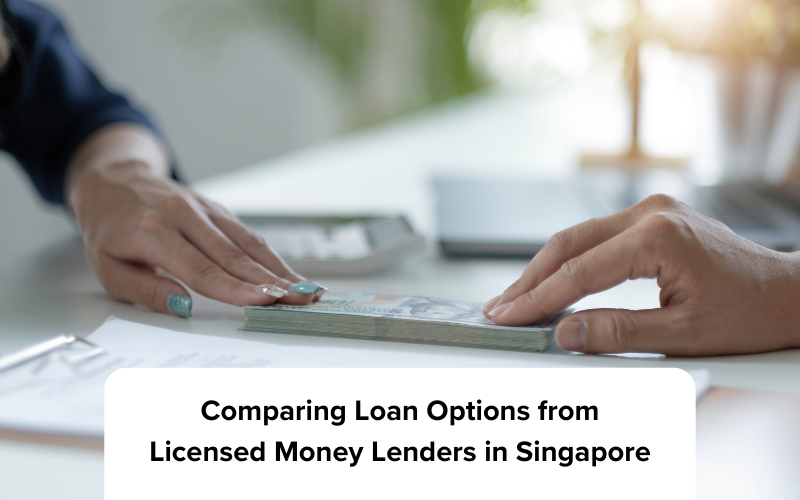
Comparing Loan Options from Licensed Money Lenders in Singapore

Navigating loan options can be challenging, especially with the range of offerings available from licensed money lenders in Singapore. Whether you seek a loan for personal needs or explore financing for a new business venture, understanding your choices is essential. This guide provides a clear comparison of the most relevant loan options to help you make an informed decision.

Personal Loans for Immediate Needs

Licensed money lenders in Singapore offer personal loans tailored to individuals requiring fast access to funds. These loans are designed for situations where financial assistance is urgent, such as covering medical expenses or consolidating existing debt. They often involve flexible repayment schedules, making them an accessible choice for borrowers needing smaller amounts without the lengthy approval process associated with banks.

Business Loans for Established Companies

Business loans are a popular option for established businesses looking to expand operations or invest in new equipment. Licensed money lenders typically provide these loans with straightforward eligibility requirements compared to traditional banks. Borrowers must present financial statements, a clear repayment plan, and supporting documentation showcasing the business’s stability.

Start-Up Business Loans for Entrepreneurs

Aspiring entrepreneurs can access start-up business loans to bring their ideas to life. These loans are ideal for individuals who need capital to fund new ventures. Licensed money lenders in Singapore are an alternative to traditional banks, often requiring less stringent credit checks. Borrowers seeking a loan to start a new business should prepare detailed business plans, demonstrating how funds will be utilised to ensure successful repayment.

Bridging Loans for Short-Term Cash Flow

Bridging loans are suitable for addressing short-term financial gaps, such as waiting for other financing to materialise. This loan type is beneficial for businesses experiencing temporary cash flow challenges. Licensed money lenders provide bridging loans with shorter tenures and expedited approval processes, making them ideal for resolving immediate liquidity issues.

Payday Loans for Emergency Needs

Individuals needing emergency cash before their next salary can explore payday loans. These smaller loans are intended to be repaid once the borrower receives their salary. Borrowers should be cautious when considering this option due to the higher interest rates often associated with short repayment periods.

Debt Consolidation Loans for Financial Stability

Debt consolidation loans can simplify repayments for those juggling multiple debts by combining existing obligations into a single loan. Licensed money lenders offer this option to help borrowers streamline payments, potentially reducing overall interest costs. Borrowers should ensure they understand the terms and interest rates involved before proceeding.

Loan Tenures and Repayment Terms

Loan tenure and repayment terms vary significantly among the options provided by licensed money lenders. For start-up business loans, lenders may offer flexible repayment schedules that align with the projected revenue of the new venture. On the other hand, personal and payday loans typically come with shorter repayment periods. Borrowers must evaluate their financial capacity and choose an option that aligns with their repayment abilities.

Interest Rates and Borrowing Costs

Interest rates are a crucial consideration when comparing loan options. Licensed money lenders in Singapore offer competitive rates that vary based on the type of loan and borrower’s creditworthiness. Start-up business loans might have higher rates due to the perceived risk. In contrast, personal loans often come with fixed rates, ensuring consistent repayment. Always review the terms carefully to avoid unexpected costs.

Documentation Requirements

One advantage of borrowing from licensed money lenders is the simplified documentation process. Start-up loans generally require detailed business plans, proof of identity, and supporting financial documents. For personal loans, the requirements are typically more lenient, including proof of income and identification. Borrowers should ensure all necessary documents are to expedite the application process.

Regulatory Safeguards for Borrowers

Licensed money lenders in Singapore operate under strict regulations to protect borrowers. The Ministry of Law enforces guidelines on interest rates, fees, and practices to ensure fair treatment. Borrowers should always verify the lender’s licence and read the terms thoroughly before signing any agreements.

Conclusion

Selecting the right loan option from licensed money lenders requires careful consideration of your financial needs and repayment capacity. By understanding the specifics of each loan type, you can make an informed decision that aligns with your goals.

For further guidance, contact HHL Credit today.

Read More

A Guide On How To Choose A Loan Company in Singapore

When financial needs arise, choosing the right loan company in Singapore can feel like finding the perfect pair of shoes—it has to fit your needs comfortably. With numerous options available for money loans in Singapore, it’s crucial to know what to look for to avoid unnecessary pitfalls. Let’s explore how to identify a trustworthy lender, whether you’re after a fast loan in Singapore or a quick loan to tide you over.

1. Understand Your Loan Needs

Before diving into the sea of loan companies, it’s essential to understand why you need the loan and how much you can realistically repay. Are you dealing with an unexpected medical bill, consolidating debt, or funding a large purchase? Knowing your purpose will help you narrow down options and ensure the loan aligns with your financial situation.

For instance, if speed is critical, look for lenders offering a fast loan in Singapore, as they prioritise quick approvals and disbursements. However, don’t let the word “quick” tempt you into skipping the fine print. Understanding your needs helps you avoid over-borrowing or settling for unfavourable terms.

2. Choose a Licensed Loan Company

In Singapore, loan companies are regulated to protect borrowers from unfair practices. Always choose a licensed loan company in Singapore, as they follow the rules set by the Ministry of Law. This means you’ll receive transparent terms, clear repayment schedules, and fair interest rates.

Unlicensed lenders, often known as loan sharks, may lure you in with enticing offers. However, they operate outside the law, charging exorbitant interest rates and resorting to unethical collection methods. To verify a lender’s legitimacy, check the Registry of Moneylenders available on Singapore’s Ministry of Law website.

3. Compare Interest Rates and Fees

When considering a money loan in Singapore, the interest rate is a significant factor. A lower interest rate translates to less overall repayment, so it’s worth comparing rates across multiple lenders.

Apart from interest, watch out for additional fees such as processing charges, late payment penalties, or early repayment fees. Even a seemingly small fee can add up over time, making the loan costlier than expected.

Licensed loan companies in Singapore are required to clearly disclose all fees and charges, so ask questions if something seems unclear. It’s better to be cautious upfront than to deal with surprises later.

4. Look for Flexibility in Repayment Terms

Life can be unpredictable, and having a loan with flexible repayment terms can make a big difference. Some lenders offer the option to adjust repayment schedules based on your financial situation, making it easier to manage unexpected changes.

When looking for a fast loan in Singapore, consider whether the lender provides reasonable repayment periods that align with your budget. A shorter repayment term might save you money on interest, but it could also strain your finances if the monthly instalments are too high.

A reliable loan company in Singapore will work with you to find a repayment plan that suits your circumstances. Don’t hesitate to ask about your options before signing the agreement.

5. Assess the Loan Application Process

The loan application process can reveal a lot about a lender’s professionalism and reliability. For instance, reputable lenders offering quick loans often streamline the application process without cutting corners on verification.

A transparent process typically includes an evaluation of your financial status, creditworthiness, and repayment capacity. Beware of lenders who approve loans without proper checks, as this could indicate they are more interested in trapping you with debt than helping you.

Online applications are becoming increasingly common, especially for fast loans in Singapore. These platforms provide convenience and speed but should still offer detailed loan agreements and clear terms. Always ensure the lender values accuracy and transparency, regardless of the process’s speed.

6. Check Reviews and Reputation

In today’s digital age, a lender’s reputation is often just a click away. Read reviews, ask for recommendations, and look for testimonials from past borrowers. This can give you valuable insights into a loan company in Singapore and help you gauge their reliability.

Pay attention to feedback about customer service, transparency, and how the lender handles issues like repayment delays. A trustworthy lender will have a track record of satisfied customers and a willingness to address concerns professionally.

7. Don’t Borrow More Than You Need

It can be tempting to borrow a larger amount than necessary, especially when it’s offered. However, taking on more debt than you can manage could lead to financial strain down the road.

When applying for a money loan in Singapore, calculate the exact amount you need and stick to it. Remember, every dollar borrowed accrues interest, so keeping the loan amount to a minimum helps you save in the long run.

Making the Right Choice

Choosing the right loan company requires a combination of research, patience, and financial awareness. Whether you need a fast loan in Singapore for emergencies or a quick loan to cover short-term expenses, the key is to prioritise trust and transparency.

A reliable loan company in Singapore will provide clear terms, fair interest rates, and repayment plans that suit your situation. Avoid rushing into decisions, and don’t hesitate to ask questions if anything seems unclear.

If you’re looking for a trusted lender who puts your financial well-being first, Contact Shenton Credit for expert advice and tailored loan options.

Read More

Pros and Cons of Choosing a Loan Company in Singapore Over Banks

When considering financial assistance, individuals often weigh the options between using a Home Loan Singapore and traditional banks. Each option has its benefits and drawbacks, depending on your specific needs. Understanding the key differences can help you make an informed decision. This article explores the pros and cons of turning to a loan company in Singapore over banks.

1. Flexible Eligibility Criteria

One advantage of choosing a loan company in Singapore is the flexibility in eligibility requirements. Loan companies generally consider a more comprehensive range of applicants, including those with low credit scores or variable incomes. On the other hand, banks adhere to stringent criteria, which can exclude individuals with limited financial history. However, while loan companies may offer accessibility, their interest rates are usually higher than those of banks. Borrowers must weigh the cost of convenience against affordability.

2. Speed of Loan Approval

Loan companies tend to process applications more quickly than banks. They often provide same-day approval or funding, making them ideal for individuals who need urgent financial assistance. Banks, in contrast, usually involve a longer approval timeline due to extensive credit checks and internal protocols. The trade-off, however, is that the simplified process of a credit company in Singapore may involve less thorough risk assessment, which could lead to financial strain for borrowers who accept terms without complete understanding.

3. Personalised Loan Amounts

Loan companies usually offer smaller loan amounts, catering to individuals who require limited financing. Unlike banks, which often encourage higher loan amounts, this flexibility can prevent borrowers from taking on excessive debt. On the downside, there may be better options than a loan company if you need a significant sum due to lower maximum limits. Banks may be better suited for more substantial financial needs, albeit with more stringent requirements.

4. Variety of Loan Types

Loan companies typically specialise in specific loan products, such as payday, personal, or bridging loans. These focused offerings can benefit individuals with particular needs. Banks may need a more specialised focus of a Singapore loan company while offering a broader range of financial products. However, specialisation may come at the cost of higher interest rates and shorter repayment terms, which can increase monthly payment obligations.

5. Transparency of Terms

Loan companies often provide clear and upfront terms, enabling borrowers to understand their repayment obligations. Banks, in contrast, can have complex loan structures that involve multiple fees, making it harder for borrowers to comprehend the cost of borrowing fully. However, some borrowers may need clarification on the simplicity of loan company terms, as the total cost of borrowing is frequently higher.

6. Customer Experience

Loan companies prioritise customer experience as they operate in a competitive market. This focus can result in faster communication and tailored assistance. While reputable and well-established, banks are often perceived as less approachable due to their formal processes and limited customer support flexibility. That said, customers should still carefully evaluate the reliability and credibility of any credit company in Singapore to avoid potential risks associated with lesser-known lenders.

7. Collateral Requirements

Loan companies often offer unsecured loans, meaning you do not need to provide collateral. This makes them an attractive option for those who lack significant assets. Banks, however, frequently require collateral for larger loans, limiting accessibility for some individuals. While unsecured loans offer convenience, they are generally associated with higher interest rates and shorter repayment periods.

8. Regulatory Differences

Banks in Singapore operate under strict regulations imposed by the Monetary Authority of Singapore (MAS), ensuring excellent stability and consumer protection. Loan companies, while also regulated, may have varying levels of oversight depending on their licensing. Borrowers should verify that any loan company in Singapore they engage with complies with regulatory standards to ensure fairness and legality in their loan terms.

Conclusion

Selecting between a Singapore loan company and a bank depends on your financial needs, urgency, and repayment ability. Loan companies offer flexibility and speed, while banks provide lower interest rates and higher stability. Carefully assess each option’s terms and conditions before deciding to secure financial assistance that suits your circumstances.

For more information, contact HHL Credit today.

Read More

Pros and Cons of Fixed Deposits for Long-Term Financial Planning

A popular choice for investors seeking consistent and secure profits is a fixed deposit. Fixed deposits are generally thought of as a low-risk savings option, but they also have drawbacks that might conflict with long-term financial planning goals.

Examine the benefits and drawbacks of fixed deposits in Singapore, assisting you in determining if this financial product is appropriate for your economic objectives.

Advantages of Fixed Deposits in Singapore

Low Risk with Guaranteed Returns

One of the safest investing alternatives is a fixed deposit. This product offers a fixed interest rate over a predetermined period, ensuring your capital is protected while delivering consistent returns. This predictability makes them appealing to risk-averse individuals or those saving for a specific financial goal.

Flexible Tenure Options

Many banks provide a range of tenure options, from one month to several years. This flexibility allows investors to align their fixed deposit terms with their financial needs, whether they are short-term savings or longer-term plans.

Higher Interest Rates Compared to Regular Savings Accounts

Fixed deposit interest rates are generally higher than the rates offered by regular savings accounts. This characteristic makes them a better choice for growing idle cash while maintaining liquidity over the medium to long term.

Promotional Rates and Special Offers

Many banks periodically offer promotional fixed deposit interest rates, which can significantly enhance returns. These promotions attract individuals looking to maximise the value of their savings.

No Market Volatility

Fixed deposits are not affected by changes in the market, unlike stocks or mutual funds. This insulation from market risks makes them a reliable option during economic uncertainty or declining market performance.

Disadvantages of Fixed Deposits in Long-Term Financial Planning

Low Returns Compared to Other Investments

Interest rates on fixed deposits are higher than those on standard savings accounts. However, they are still much lower than those on real estate, mutual funds, or equity investments. Over the long term, these alternative options may offer better growth potential, particularly for those with higher risk tolerance.

Limited Liquidity

Fixed deposits require locking your funds for a specific tenure, making them less liquid than other investments. Early withdrawal often results in penalties or loss of interest, disrupting your financial planning if unexpected expenses arise.

Inflation Erosion

Fixed deposit returns may not always outpace inflation, especially during rising costs. Over the long term, the purchasing power of your savings may diminish, making fixed deposits less effective as a wealth-building tool.

Tax Implications

Although fixed deposit interest income is generally tax-free for local residents, some individuals may face implications depending on their financial situation, particularly if used for international investments.

Missed Opportunities in Other Asset Classes

Focusing heavily on fixed deposits may mean missing out on potential high returns from other asset classes like equities, bonds, or commercial property loans. Diversifying your portfolio can provide better balance and long-term growth.

How Fixed Deposits Fit with Commercial Property Loans

Fixed deposits can be a complementary tool for managing financial commitments like commercial property loans. For instance, fixed deposits can act as collateral to secure favourable loan terms or as a reserve for repayment instalments. This strategic use allows individuals to leverage their savings while maintaining liquidity for property investment goals.

Conclusion

Fixed deposits are a dependable and low-risk financial tool that can be used as an emergency fund or for short- to medium-term savings. However, because of their limited liquidity and generally modest returns, they are not ideal for long-term financial planning.

Combining fixed deposits with higher-yielding assets, such as stocks or commercial real estate loans, can improve diversity and growth potential for individuals aiming to optimise wealth over the long run. Make sure your financial objectives, risk tolerance, and time horizon align with your entire plan before committing to fixed deposits.

Visit RHB Bank to take the first step towards smarter savings!

Read More

What Does it Mean to Be Bonded?

Surety bonds, otherwise known as understanding binding contracts, really mean to a contractor or business owner. Simply put, it means that a business or an individual guarantees their obligations under an agreement or contract. Surety bonds are tripartite agreements: the principal, which is the business or individual that needs to be bonded; the obligee, generally a government agency; and the surety, the provider of the surety bond.

Being bonded means that the bonding company has set aside money to be able to compensate customers in the event that the bonded party fails to comply with its contractual obligations or legal obligations. Unlike insurance, which traditionally covers loss to the policyholder, this surety bond is primarily to protect the customer or party to whom the bond is required. The payment will be made by the surety company upon the validation of a claim but ultimately will be borne by the bonded business or individual. Learn more about how surety bonds work and the responsibilities involved.

Most industries require businesses to be bonded, like construction, real estate, and public contracting. Government contracts clearly have surety bonds for all terms and operations of the project to protect public funds. Such requirements are drawn on the entity to acquire a surety bond for business credibility and assurance even when not legally mandated. Not only does it mean financial responsibility, but it also means reliability that makes clients confident with their services.

Whether it’s a law or voluntarily, obtaining a surety bond is an essential safeguard for both businesses and their customers. Its purpose and function can make business owners understand a lot regarding the protection of their reputations and financial backing.

As an example of broad coverage when answering the question ‘What does it mean to be bonded?’, consider: “If there’s still confusion, contact NFP today; we are the bonding professionals! We’ll take care of your surety needs.”

If you have ever shopped for contractors to do work around your home or business, you may already know something of the phrase ‘Bonded, Licensed, and Insured.’ These terms are meant to offer reassurance by inducing a false sense of security in the mind of the consumer. Being bonded, licensed, and insured does actually make a consumer a little more secure.  Licensing laws vary by location and by industry. Coverage means that you have insurance, and if you file a claim against that insurance, you are covered.

Read More