
Facing Rising Medical Bills? Health Insurance Helps Manage Treatment Expenses

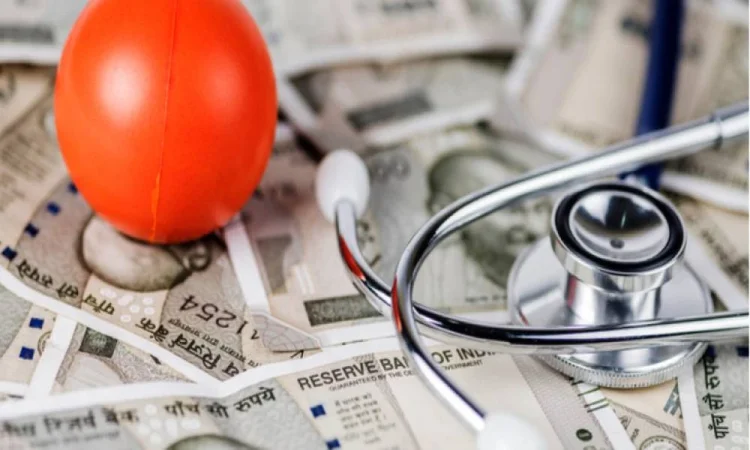
Hospital bills in India now climb faster than most salaries. Treatment costs have risen near 12 percent each year. General inflation, by comparison, sits around 4 percent. A single heart procedure can drain years of savings. Even today, families fund almost 40 percent of care themselves. Against that pressure, health insurance shields households from sudden large bills. Real protection, though, depends on finer policy details. Cashless access, add-ons, tax relief and room limits all matter. Together, these decide what a patient finally pays.
Medical Costs Are Outpacing Household Budgets
Heart disease and hypertension drive the biggest claim volumes. Angioplasty in a private metro hospital can run ₹3 lakh. Add ICU stays, scans and medicines, and bills double fast. Salaries rarely rise at that speed. One emergency can push a salaried family into debt.
What Does a Hospital Bill Include?
Room charges form just one part of the final invoice. Patients face several layers of expense during a stay:
- Surgeons and anaesthetists bill separately for each procedure.
- Diagnostic tests often repeat during the admission period.
- Consumables like gloves and syringes add surprising sums.
- Pharmacy charges continue after the patient returns home.
Cashless Claims Ease the Admission Day Strain
At network hospitals, the insurer settles the bill itself. The patient signs a pre-authorization form at admission. No ₹50,000 deposit is needed at the counter. This feature makes health insurance most valuable during emergencies. Reimbursement claims, by contrast, demand cash before any refund.
Which Policy Features Protect Against Costly Surprises?
Certain clauses shape the value of every claim. Buyers should confirm these before signing:
- Restoration refills the used sum insured.
- No-claim bonus grows cover each year.
- Pre-hospitalisation covers 30 days’ tests.
- Co-payment clauses cut payouts.
- Disease sub-limits cap cataract claims.
Can Tax Benefits Lower Annual Premiums?
Yes, and the savings are measurable. Section 80D permits ₹25,000 deductions for self and family. Parents above 60 add a separate ₹50,000 limit. In the 30 percent slab, savings reach ₹22,500. This benefit applies under the old tax regime alone. That cuts the effective premium by close to a third.
Does Buying Early Reduce Lifetime Premiums?
Age sets the base price of every policy. A 30-year-old might pay ₹12,000 for ₹10 lakh cover. At 50, the same plan can cost twice that. Insurers also order medical tests after 45. A diagnosis found then may trigger loading or exclusion. Buying young locks in cleaner records and lower rates.
Super Top-Ups Stretch Cover at Low Prices
A ₹5 lakh base policy may fall short for cancer. A super top-up with a ₹5 lakh deductible fills that gap. Cover activates once yearly bills cross the deductible. Premiums stay modest because fewer claims reach that level. Younger buyers can add ₹20 lakh for under ₹5,000 a year.
A ₹5,000 Room Cap Shrinks Payouts
Picture that ₹3 lakh angioplasty in a ₹10,000-per-day room. Suppose the policy caps room rent at ₹5,000. The insurer then trims more than the room charge. Surgeon fees and tests shrink by the same ratio. Close to half the claim can go unpaid. The true price of cover sits in a single clause.
FAQs
Does a policy cover pre-existing diseases?
Yes, once a waiting period ends. Current IRDAI rules cap that wait at three years.
Is employer group cover enough for a family?
Group cover ends the day the job ends. A personal policy keeps protection and waiting-period credit intact.
How long does cashless approval take?
IRDAI rules require insurers to decide cashless requests in one hour. Final discharge approval must arrive in three hours.
Are daycare procedures like cataract surgery covered?
Most policies pay for listed daycare treatments without a 24-hour stay. Dialysis, chemotherapy and cataract removal fall in this group.