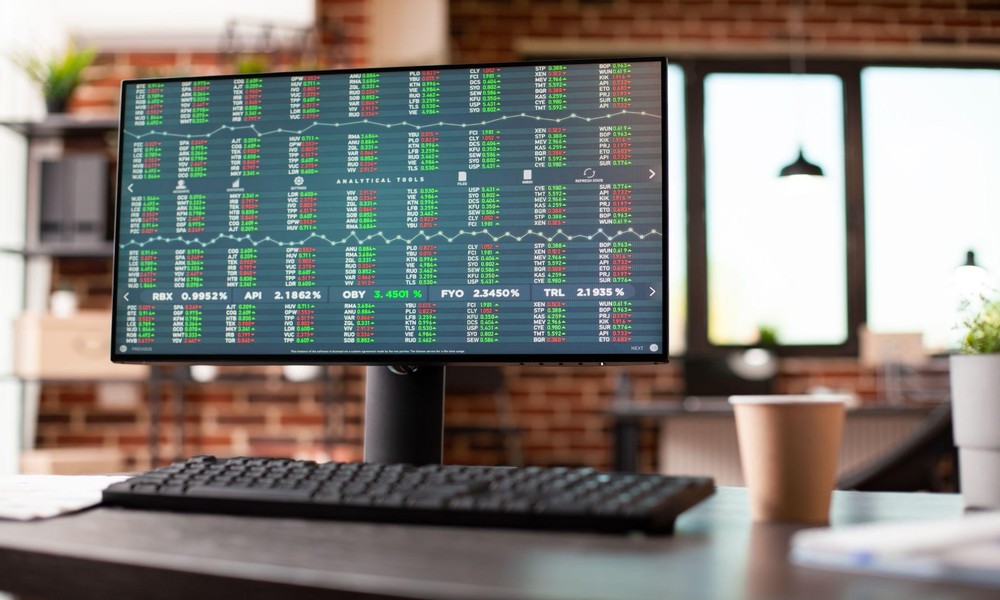

Investors today are no longer limited to one market. Stocks, commodities, currencies, and indices all offer different opportunities, and many traders want access to them in one place. This is why the multi-asset trading platform has become a popular choice for beginners and experienced traders alike.
What Is a Multi-Asset Trading Platform?
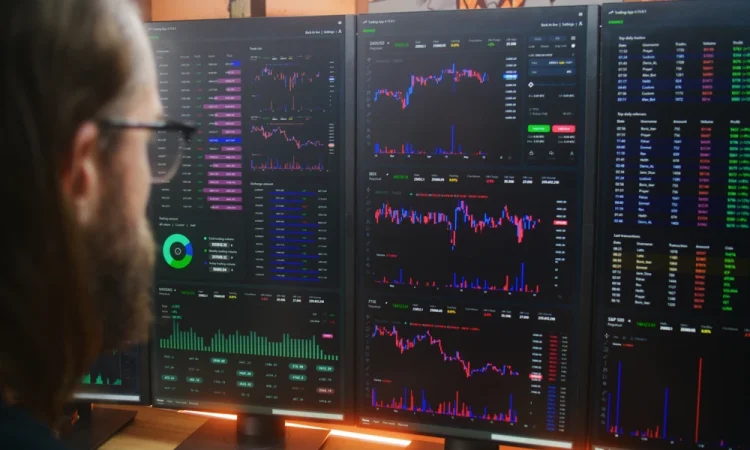
A multi-asset trading platform lets you trade several types of financial instruments from a single account and interface. Instead of juggling separate apps, logins, and funding methods for each market, you manage everything from one dashboard. This saves time, reduces confusion, and gives you a clearer view of your overall exposure.
Key Benefits for Traders
1. Easier Diversification
Spreading money across different asset classes is a well-known way to manage risk. When one market falls, another may hold steady or rise. With a multi-asset trading platform, moving between markets takes a few clicks rather than a new account setup.
2. One Account, One View
Tracking profit, loss, and open positions across several brokers is tiring. A unified platform shows your positions together, helping you make more informed decisions and avoid accidental overexposure to one sector.
3. Time and Cost Efficiency
Fewer accounts mean fewer transfers, simpler record-keeping, and less time spent switching between tools. For active traders, that efficiency adds up.
4. Flexibility as Markets Change
Market conditions shift constantly. Equities may dominate one quarter, while commodities or currencies take the lead in another. A multi-asset trading platform lets you adapt your strategy without changing your trading setup.
What to Look for When Choosing a Platform
Not every platform is built the same way. Before you commit, consider these points:
- Range of instruments: Check which markets and products are actually available.
- Ease of use: A clean, intuitive interface matters, especially if you are new to trading.
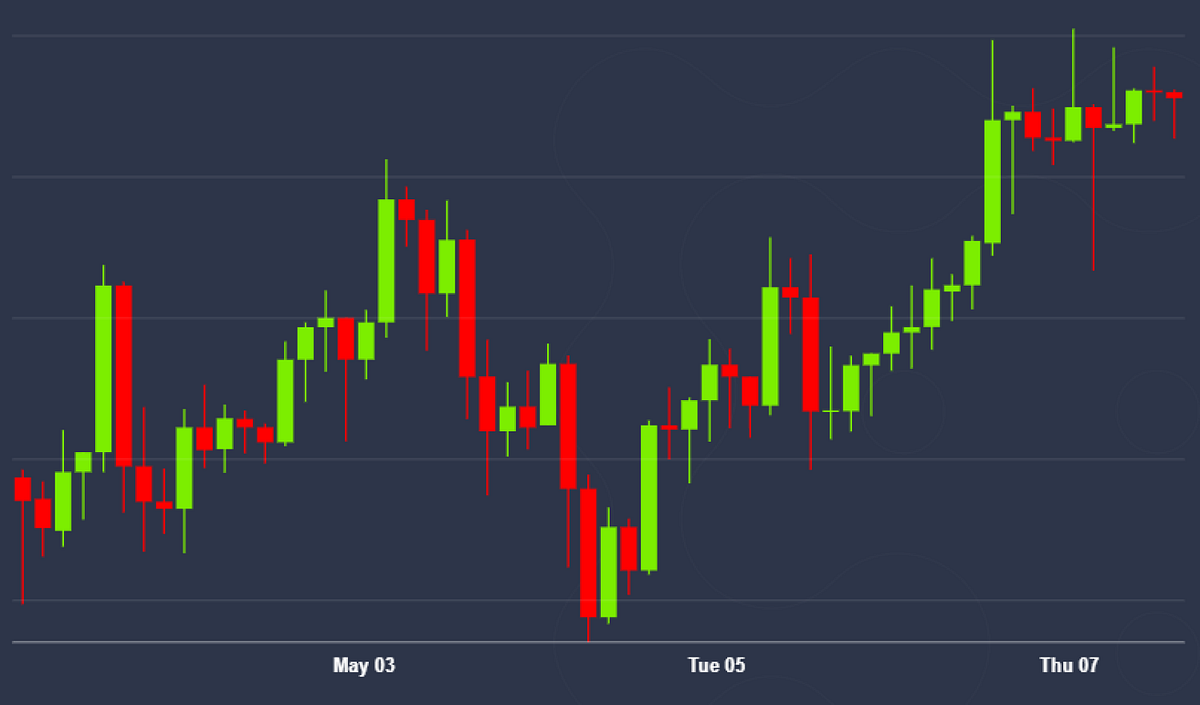
- Charting and analysis tools: Good technical tools help you study trends and plan entries and exits.
- Security: Look for strong account protection and clear information about how funds and data are handled.
- Fees and charges: Understand brokerage, margin, and any other costs before placing trades.
- Customer support: Responsive help is valuable when you face an issue during live markets.
Who Should Consider One?
A multi-asset trading platform suits several kinds of users. Beginners can explore different markets without opening multiple accounts. Active traders can switch strategies quickly as opportunities appear. Long-term investors can rebalance a diversified portfolio more easily.
If you are exploring options, you can review the offerings at Trade246 to see how a single platform approach might fit your trading style.
Managing Risk Wisely
Access to many markets is powerful, but it also brings responsibility. Trading always carries risk, and losses are possible. A few habits help:
- Start with an amount you can afford to lose.
- Use stop-loss orders to limit downside.
- Avoid putting all your capital into one trade or one asset class.
- Keep learning about each market before you trade it.
- Review your portfolio regularly and adjust as needed.
Final Thoughts
The rise of the multi-asset trading platform reflects a broader shift toward convenience, flexibility, and smarter diversification. By bringing different markets into one place, these platforms help traders save time, stay organized, and respond quickly to changing conditions. Whatever platform you choose, focus on security, transparency, and tools that match your goals, and always trade with a clear plan.